

Property Survey Before Turning a Side Yard Into Usable Outdoor Living Space
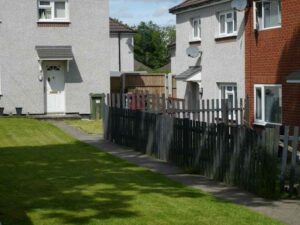
A narrow side yard can turn into a nice outdoor space. A small patio. A stone path. A row of plants along the fence. But before any of that gets built, you need real facts about the land. A property survey gives you those facts. It shows the true edge of your lot, not just where the grass ends or the fence sits. This matters most in a side yard, since the space is often tight and sits close to a neighbor’s land. Let’s walk through why a survey should come before any side-yard plans.
Confirming the Side-Yard Boundary Before Planning Improvements
Most people guess where their side yard ends. They look at the fence, or the edge of the grass, and assume that’s the line. That guess can be wrong.
A property survey finds the real boundary. It uses recorded measurements, not visual clues. This gives you a solid starting point before you plan paving, seating, or any new landscaping in that space.
This matters more in a side yard than in a big backyard. A side yard is often just a few feet wide. A small error in the boundary can mean a big change in how much usable space you actually have.
Measuring the Available Width Between the House and Property Line
Once the boundary is confirmed, the next step is measuring the space itself. This means checking the exact distance between your house and the property line next to it.
This number matters a lot. A four-foot side yard can’t fit the same features as an eight-foot side yard. A narrow strip might only hold a simple walkway. A wider strip might fit a small patio with room for seating.
Getting this measurement right helps you plan with real numbers instead of a rough guess. It also helps you avoid designing something that looks great on paper but doesn’t actually fit the real space.
Locating Utility Features and Recorded Easements That Cross the Side Yard
Side yards often carry more than they appear to. Water lines, gas lines, or other utility features may run right through that narrow strip of land. Some of these features sit under an easement, which is a legal right that lets a utility company access that part of your yard.
A property survey can show these easements and any visible utility features tied to them. This matters because permanent improvements, like a paved patio or a built-in seating wall, usually can’t sit directly on top of these areas.
Knowing this before you build saves real trouble later. Nobody wants to tear out a new patio because a utility crew needs to dig underneath it.
Checking Existing Fences, Walls, and Improvements Against the Survey
Most side yards already have something in them. A fence runs along one edge. Maybe a small retaining wall holds back a slope. An air conditioning unit might sit against the house. A narrow walkway might already connect the front and back yards.
A property survey shows where these features actually sit compared to the real property line. This often reveals a surprise. That fence you always assumed marked your boundary might sit a foot or two off from the real line, in either direction.
This matters because existing features shouldn’t be treated as automatic proof of where your property ends. A fence is just a fence. Only a current survey confirms the actual legal line.
Using Property Survey Data to Guide the Side-Yard Layout
Once the boundary, the available width, the easements, and the existing features are all confirmed, the survey becomes a reliable base for the actual layout. This is where the numbers turn into a real plan.
You can now see exactly how wide your usable space is. You know where utility easements sit, so you can plan around them instead of building over them. You know where existing fences and structures actually fall, so nothing gets placed on assumptions.
This ties the whole process together. A side yard that once felt too small or too uncertain to use often turns out to have real, workable space, once the actual measurements are in front of you.
Frequently Asked Questions
Why should I get a property survey before improving a side yard?
A survey gives you accurate boundary and site information. This matters before you place permanent outdoor features in a narrow space that sits close to your neighbor’s property.
Can a property survey show how much usable space is available in a side yard?
Yes. Measurements between the house, the property boundary, and any existing improvements can show the real width you have to work with when planning your layout.
Can utility easements affect a side-yard patio or walkway?
Yes. Recorded utility easements can affect where permanent improvements are allowed to sit. Reviewing these easements during planning helps you avoid building in the wrong spot.
Does an existing fence always mark the side property line?
No. A fence is just a physical feature. It may not line up exactly with the legal boundary shown by a current property survey.
What side-yard features can be shown on a property survey?
A survey can show relevant visible features such as fences, walls, walkways, utility structures, and building corners, along with any other improvements included in the survey scope.