

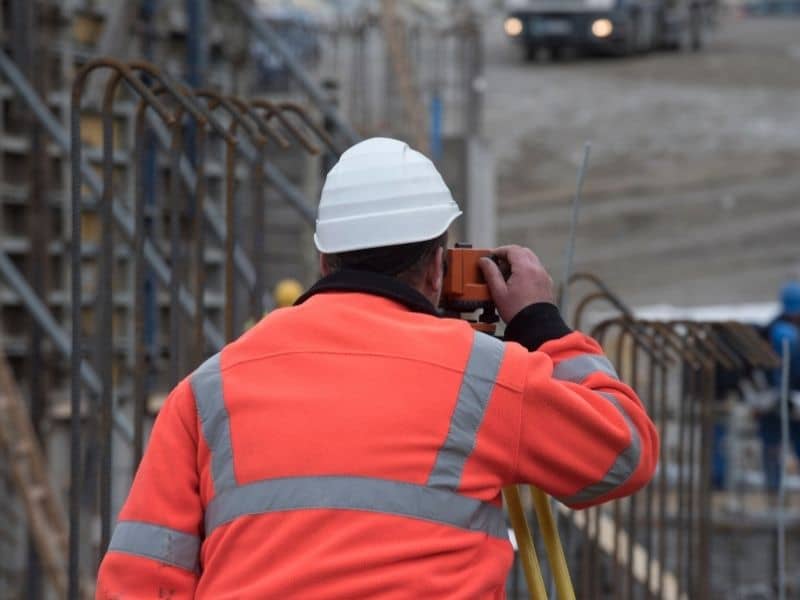
Industrial land near highways and rail lines is in high demand right now. Companies that ship products, store inventory, or run manufacturing operations want to be close to those transportation routes, and that has pushed development activity along industrial corridors in many regions. But before a company buys or develops a large industrial parcel, they need solid information about what that property actually contains. An ALTA survey gives them that, and in a market moving this fast, that kind of clarity matters more than ever.
Why Expanding Industrial Corridors Attract Larger and More Complex Sites
Warehouses and distribution centers are not small projects. They need a lot of land, and they need detailed information about that land before construction can begin. A parcel that looks fine from the outside might have conditions that limit where a building can go or how trucks can move through the site.
Growth along major transportation corridors has made this more common. Companies are looking at large parcels that may have multiple structures, wide paved areas, and infrastructure added over many years. An ALTA survey pulls all of that into one clear record so the development team knows what they are actually working with. That is a lot more useful than guessing based on old records or a basic property map.
Freight Movement Depends on Clear Access and Site Configuration
Trucks need room to get in, turn around, back into docks, and exit without creating a bottleneck. When a site does not have enough turning space or the dock positions do not work for the vehicles being used, operations slow down fast. Those kinds of problems are not always obvious until a facility is already running.
An ALTA survey documents the physical features that affect how freight moves through a site. That includes driveway locations, paved surface dimensions, and access points connecting to the road network outside the property. When owners and operators have that information written down accurately, they can make better decisions about how the site is configured and where improvements are needed. For a facility where trucks are coming and going all day, knowing those details is not optional.
Future Expansion Opportunities Matter to Industrial Property Owners
Most growing businesses do not plan to stay the same size. A company that needs one warehouse now might need a second one in three years. A manufacturing operation running one shift today may need to expand its footprint as production grows. Before committing to a property, owners want to know if the land can actually support that kind of growth.
An ALTA survey shows what is already on the site and how much usable space remains. Where current buildings sit, how paved areas are laid out, and where physical features might limit new construction all show up in the survey record. That gives owners real information to work with instead of rough estimates. Knowing what a property can support in the future is just as important as knowing what it offers today.
Existing Infrastructure Can Influence Industrial Development Decisions
Older industrial properties often have infrastructure that was built for a previous use. Drainage channels, detention ponds, utility corridors, and old rail spurs may still be on the property even if they have not been used in years. Those features do not always appear on basic property records, but they affect what can be built and where.
A drainage channel running through part of a parcel limits where new structures can go. A utility corridor crossing the property may restrict grading work in that area. A rail spur left over from a previous tenant can change how the site is configured even if no one plans to use it. An ALTA survey captures all of these features so the development team is not discovering them halfway through planning. Finding out early is always better than finding out after decisions have already been made.
Reliable Property Information Supports Supply Chain Efficiency
Supply chains depend on things running on time. When a facility has problems tied to poorly understood site conditions, like unclear access points or undocumented infrastructure, the disruption does not stay on site. It moves through the supply chain and affects deliveries, schedules, and operations downstream.
Good survey information helps industrial users avoid those situations. When an owner knows the exact size of a paved area, where every access point sits, and what infrastructure exists on the property, planning becomes more straightforward. Improvements can be designed around real conditions. Daily operations can be organized around what is actually there. That kind of accuracy keeps a facility running the way it is supposed to, which matters a lot when the whole point of the site is keeping goods moving efficiently.
Frequently Asked Questions
Why are industrial corridors becoming more attractive for commercial development?
Being close to highways, rail lines, and distribution networks cuts transportation time and lowers operating costs. As logistics demands have grown, companies have placed more value on sites with strong access to those routes. That has driven a steady increase in industrial development along major corridors across the country.
Can an ALTA survey benefit warehouse and manufacturing properties?
Yes, and the benefit is mostly practical. Large industrial sites have complex layouts, and a thorough survey helps owners understand what they have, plan improvements, and check whether the property fits their needs long term. That information stays useful well after the property is acquired.
Why is truck access important for industrial sites?
Freight movement is central to how most industrial facilities operate. When access is limited or dock configurations do not match the vehicles being used, operations back up quickly. Documenting access conditions accurately helps owners catch those issues before they turn into daily problems.
What types of existing features can affect industrial property development?
Some features that commonly affect industrial sites include:
- Drainage channels and detention ponds that reduce buildable area
- Utility corridors that limit grading or surface work
- Inactive rail spurs that still affect site layout
- Shared infrastructure near corridor boundaries that requires coordination
Why do industrial owners consider long-term expansion when evaluating a property?
A site that works today might not work in five years if the business grows. Owners who think ahead avoid being stuck with a property that cannot support additional buildings or expanded operations. Knowing what a site can handle in the future helps make the decision to buy it a much sounder one.